A South Tyneside car parts manufacturer has been fined £1.6million after a Legionnaires’ disease outbreak and an explosion occurred at the same plant within a year.
Fintech – short for Financial Technology – is one of the fastest growing sectors in the UK economy. It encompasses innovation in financial services including digital banking, payment technologies, peer-to-peer lending and crowdfunding platforms. Georgina will be responsible for promoting Northern Ireland’s thriving fintech sector and championing it as a place for firms to develop and grow their business.
Georgina is the digital transformation leader at Allstate and is known as a highly-accomplished technology expert in Northern Ireland. She has over 20 years of experience in tech businesses from start-ups to Fortune 500 companies.
The Chancellor of the Exchequer, Philip Hammond said:
Fintech is the future of financial services, and we want each corner of the UK to be able to harness its power.
Our new regional fintech envoy for Northern Ireland, Georgina O’Leary, will help the sector to grow and flourish > throughout Belfast and beyond.
I want to congratulate Georgina on her new role. With her wealth of experience in the technology sector, I am
certain she will build on the success of the existing envoys in helping the UK to remain at the cutting edge of the
digital revolution.
Georgina joins the current envoys in championing fintech in their regions:
David Ferguson, CEO of Nucleus Financial and Louise Smith, Head of Current Account Design for RBS (envoys for Scotland)
David Duffy, CEO of CYBG (envoy for England)
Chris Sier, Professor of Financial Technology at the University of Leeds (envoy for the Northern Powerhouse)
The Chancellor also announced today that Richard Theo, Co-Founder and CEO of Wealthify, would become the government’s new fintech envoy for Wales.
Further information:
fintech is the apps, computer programs and other technologies that support and improve how we bank and access finance. It encompasses innovation in financial services such as crowdfunding, e-banking, payment technologies, peer-to-peer lending, and cryptocurrencies
fintech contributes roughly £6.6 billion to GDP and employs over 61,000 people across the country. More people work in UK fintech than in New York fintech or in the combined fintech workforce of Singapore, Hong Kong and Japan
Coastal landmarks which have fallen into disrepair have the opportunity to have life breathed back into them by a government fund launched today (17 May) by Coastal Communities Minister Jake Berry.
The £1 million Coastal Revival Fund will support the restoration of some of the nation’s most iconic and best-loved coastal architecture – including places like the Pavilion Theatre within the Grade II* Winter Gardens building of Blackpool – and Swanage’s historic Victorian pier in Dorset.
The fund, now in its third year, will provide grants to at-risk coastal heritage sites to fund repairs and restoration, or support large scale projects to see them through to completion.
The government is inviting bids from local communities, charities and councils to receive up to £50,000 per project from today.
Coastal Communities Minister, Jake Berry, said:
The protection of our iconic coastal landmarks plays an important role not just in making the Great British Coast an attractive tourist destination, but in regenerating our coastal communities and supporting them to grow.
The launch of this new Coastal Revival Fund today represents government’s unwavering commitment to support coastal communities and we’re investing over £250 million in our coastal areas by the end of the decade.
Jake Berry made the announcement while visiting Bournemouth today (17 May 2018) to officially open the Pier Approach which has been completely transformed into a world-class gateway to the south coast thanks to £1.9 million of funding, part of £5.6 million granted to the Dorset Coastal Connections portfolio from the government’s Coastal Communities Fund (CCF).
Later in the day, the Minister also visited Poole Harbour to officially open the new 650 foot £10 million berth. Catering for cruise and cargo ships, the new berth is set to increase revenue by £1.5 million or 10% in the first year of operation.
Over £23.3 million of government’s Growth Deal Funding has been invested in the Port of Poole by the Local Enterprise Partnership delivering new approach spans for the Poole Bridge, 25000 new homes around the Port of Poole and major improvements to the A349.
Further information
The £1 million Coastal Revival Fund is in addition to a £40 million investment in Coastal Communities announced last year as part of a government pledge to invest over a quarter of a billion pounds in coastal communities by 2020.
Now in its fifth round, the Coastal Communities Fund supports the development of UK coastal communities by giving funding to create sustainable economic growth and jobs. Analysis shows this has been money well spent, with every £1 invested having the potential to create an £8 boost to our coastal economies.
By 2020 the £264 million awarded by the Coastal Communities Fund is expected to have attracted around £369 million in additional funding for coastal projects giving a total investment of around £633 million.
The Coastal Revival Fund grants will support communities in unlocking the economic potential of those hard-to-tackle buildings, landscapes, facilities and amusements and sustain them in the longer-term. We are therefore inviting bids from local communities, charities and councils of up to £50,000 per project. Further details and guidance on how to apply can be found at: www.gov.uk/government/collections/coastal-communities.
The Bournemouth Pier Approach project involved major public realm regeneration of the principal coastal public space in Bournemouth to a world-class standard. The project included de-cluttering the street scene including investment in revolutionary semi-submerged waste bins. Beach at Pier Approach. Over £1.9 million of the £3.7 million project came from the fourth round of the Coastal Communities Fund with the remainder of the project supported by match funding.
Local Enterprise Partnerships are playing a vital role in driving forward economic growth across the country, helping to build a country that works for everyone. That’s why by 2021 government will have invested over £12 billion through the Local Growth Fund, allowing LEPs to use their local knowledge to get all areas of the country firing on all cylinders. Analysis has shown that every £1 of Local Growth Fund invested could generate £4.81 in benefits. If you would like some further facts about the Fund, or the wider regeneration work going on across the country, please contact Ministry of Housing, Communities and Local Government press office by emailing NewsDesk@communities.gsi.gov.uk in the first instance to request any additional information you might need.
Dorset Coastal Connections – people and places is a portfolio project connecting and coordinating 18 coastal sites across Dorset, from Christchurch to Lyme Regis. The range of projects connects our urban coastal areas to rural coastal areas works to promote and sell the Dorset coast as a whole. It is funded by the Coastal Community Fund as well as partner organisations.
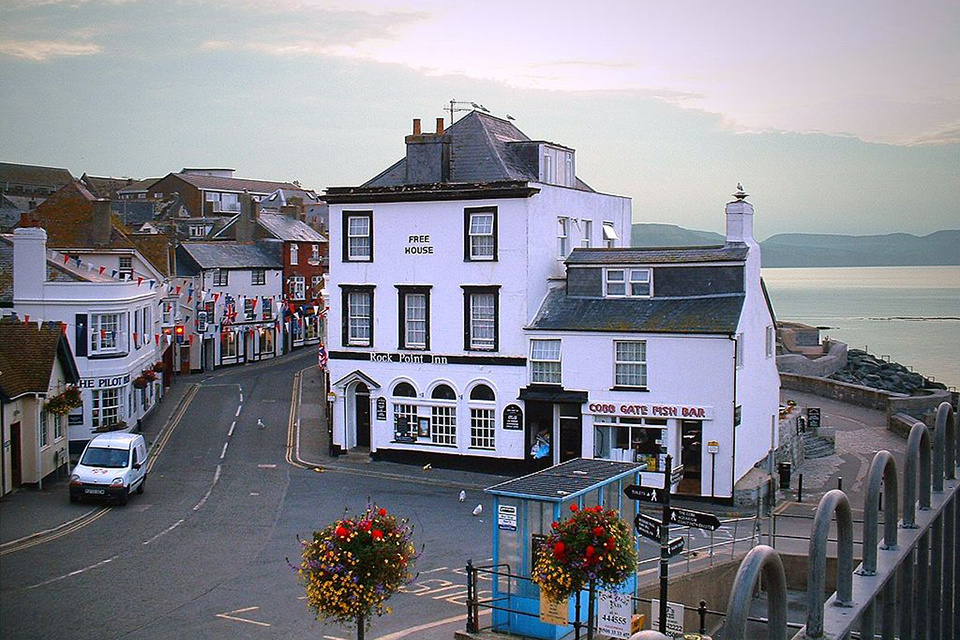
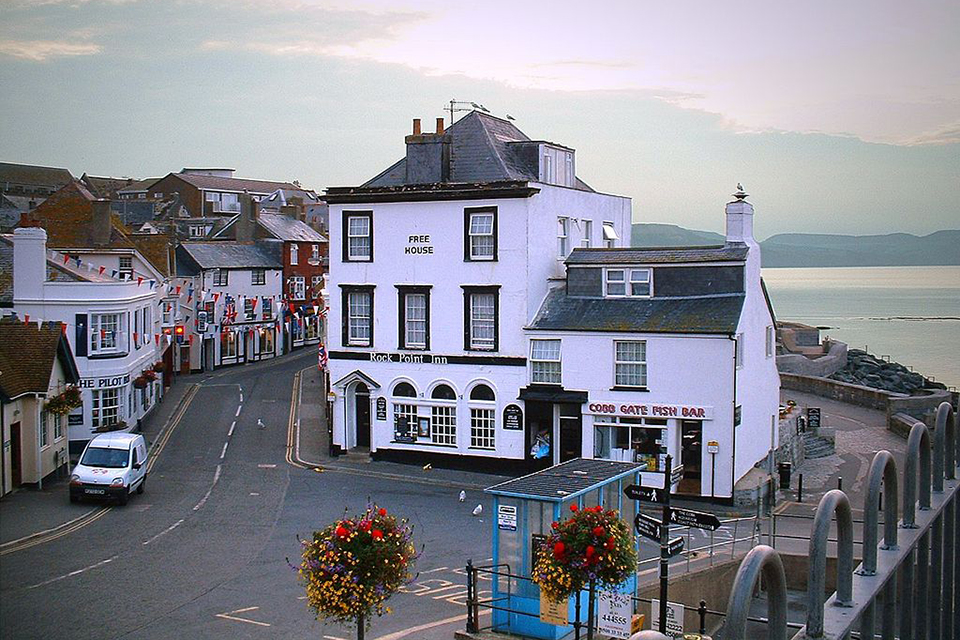
Lyme Regis, courtesy of Mattana via Wikicommons
This work is coordinated by the lead partner Dorset Coast Forum (DCF) who are hosted by Dorset County Council (DCC). DCF has a proven track record of project delivery on the Dorset coast. DCC are the accountable body for this project and the lead project delivery partners include: Lyme Forward, Bridport CCT, Dorset County Council, Jurassic Coast World Heritage Team, Bournemouth Borough Council, Christchurch Borough Council, Borough of Poole, Purbeck District Council, Dorset Wildlife Trust, The Arts Development Company, Weymouth and Portland Borough Council, Bridport Town Council, Dorset AONB, Bounce Back Arts.
Follow the latest tweets from the Ministry of Housing, Communities and Local Government on coastal communities by visiting @MHCLG or searching #GreatBritishCoast
A man involved in drug-dealing and gang conflict has had his sentence increased after the Attorney General, Jeremy Wright QC MP, referred it for being too low.
Javarni Cato, 17, was originally detained as he and another male fled a flat in Gloucester where police had found heroin, crack cocaine, and over £500 in cash.
While on bail for the drug offences, Cato fired a pistol at a group of people but no one was hit. Less than a week later, he was involved in a similar shooting which seriously injured a taxi driver. The crimes are believed to be related to Huddersfield gang activity.
Cato was originally sentenced to 5 years 4 months imprisonment at Leeds Crown Court. Today, after the Attorney General’s reference, the Court of Appeal increased his sentence to 9 years.
Commenting on the sentence increase, the Attorney General said:
“I am pleased that the Court of Appeal has agreed with me that this sentence was too low. Gang-related crimes are serious offences, especially when firearms are involved, and a longer sentence more accurately reflects the damage that Cato’s actions have had on individuals and the wider community.”
Government will lead fundamental reform of the system, with strong sanctions for those who fail to comply.
Government has listened to concerns and will consult on banning the use of combustible materials in cladding systems on high-rise residential buildings
launching a consultation on banning the use of combustible materials in cladding systems on high-rise residential buildings
banning desktop studies if the current consultation – which closes on 25 May – does not demonstrate that they can be safely used
ensuring residents have a better mechanism for blowing the whistle on landlords who do not maintain safe buildings
changing the law to achieve meaningful and lasting reform of the building regulatory system, with strong sanctions for those who fail to comply
inviting views to inform how the government could implement major reform of the regulatory system
restructuring building regulations fire safety guidance to ensure it is clear
This is in addition to the £400 million of funding announced by the Prime Minister yesterday to fully fund local authorities and housing associations with the removal and replacement of aluminium composite material (ACM) cladding, the type used on Grenfell Tower, on social housing buildings above 18 metres.
Secretary of State for Housing, Rt Hon James Brokenshire MP, said:
It has been deeply moving to hear directly from the Grenfell Tower survivors and community in my first few weeks as Secretary of State.
This was a terrible tragedy that should never have happened. I welcome Dame Judith Hackitt’s comprehensive report and her calls for fundamental reform in the building sector. I am committed to making that happen as quickly as possible.
The cladding believed to be on Grenfell Tower was unlawful under existing building regulations. It should not have been used.
I will ensure there is no room for doubt over what materials can be used safely. Having listened carefully to concerns, I will consult on banning the use of combustible materials in cladding systems on high-rise residential buildings.
We must ensure the tragedy at Grenfell brings change and I call on the industry to work with me to achieve the urgent reform needed.
The government is already acting on Dame Judith’s interim recommendations by consulting on restricting or banning the use of ‘desktop studies’ as a way of assessing the fire performance of external cladding systems.
Dame Judith Hackitt’s review was commissioned in the wake of the Grenfell Tower tragedy and has concluded that significant systemic reform is needed spanning every aspect of the ‘life’ of a high-rise building – from design to construction to ownership and on-going management.
The review has found that regulations and guidance are misunderstood, and oversight and enforcement are inadequate. The recommendations set out a new regulatory system. Dame Judith says a collaborative approach is crucial, bringing together government, industry and the community.
Further information
Dame Judith Hackitt’s report is separate to the Grenfell Tower Inquiry and, importantly, does not replace the criminal investigation or seek to identify the cause of the Grenfell Tower tragedy.
Dame Judith Hackitt’s final report was published today
Electro Rent, a global corporation with its headquarters in the US, acquired Microlease in February 2017. Both companies were close competitors in the rental of specialist equipment that tests and measures the performance of electronic devices used in industries such as telecommunications, defence, utilities and information technology.
The completed merger of the two businesses was referred to a group of independent panel members at the Competition and Markets Authority (CMA) for an in-depth phase 2 investigation in October last year, after an initial phase 1 investigation identified competition concerns.
The group has today published its final decision, finding that Electro Rent’s purchase of Microlease is likely to lead to a worse deal for renters of testing and measurement equipment. They found that Electro Rent, though significantly smaller than Microlease in the UK, was the only other rental company operating in the country to have the resources and stock to compete effectively with Microlease.
The group has therefore concluded that it is likely the merger will lead to a substantial lessening of competition in the sector, and a worse deal for UK customers. It has decided that the merged business will have to sell Electro Rent UK to a new owner, to be approved by the CMA, in order to preserve competition.
Simon Polito, Inquiry Chair, said:
The merged business would be the only suitable UK supplier for a large number of customers. It is unlikely that the new company would be prevented from using its position to increase prices or reduce its quality of service to customers by new entrants or expansion of established companies.
Having looked at this in detail and sought views from a range of market participants, we therefore consider that Electro Rent needs to sell its pre-merger UK business to preserve competition.
We have set strict purchaser criteria to make sure the buyer will be able to operate the business to compete effectively before the CMA approves the sale.
The business that is to be sold, Electro Rent UK, is the former UK operations of Electro Rent. The merged company will continue to operate in the UK with the former Microlease business.
Electro Rent and Microlease are both global corporations each with worldwide annual revenues of around £120 million. The head office of Electro Rent is in the US, and that of Microlease is in the UK.
Electro Rent acquired Microlease in January 2017. In February 2017 the CMA called in the merger for a phase 1 review. Electro Rent initially offered to sell its UK business to a competitor, in order to overcome the CMA’s concerns. However, the purchaser withdrew from the deal, and the CMA therefore referred the case for a phase 2 investigation on 19 October 2017.
All the CMA’s functions in phase 2 merger inquiries are performed by inquiry groups chosen from the CMA’s panel members. The appointed inquiry group are the decision-makers on phase 2 inquiries.
The CMA’s panel members come from a variety of backgrounds, including economics, law, accountancy and/or business; the membership of an inquiry group usually reflects a mix of expertise and experience.
In a trilateral meeting in the margins of the Western Balkans Summit in Sofia, Prime Minister Theresa May met with Chancellor Merkel and President Macron to discuss the decision by the US to withdraw from the Joint Comprehensive Plan of Action (JCPoA).
The leaders reiterated their firm commitment to ensuring the deal is upheld, stressing it is important for our shared security. They pledged to work with the remaining parties to the deal to this end.
The leaders stressed that Iran must continue to meet its own obligations under the deal.
The leaders reiterated their concerns about Iran’s ballistic missile programme and its regional activities, which clearly contribute to the destabilisation of its neighbours. They restated their commitment to tackling these issues.
An award-winning scheme which restored a stretch of the River Medlock has been further boosted after juvenile brown trout were found in the watercourse.
Previously known as the Red River, the Medlock underwent a £250,000 transformation at Clayton Vale which re-naturalised the waterway to encourage habitats for wildlife.
Juvenile brown trout, a key indicator species, were found in the river following a fish survey conducted in April 2018.
A large-scale project was undertaken in 2013 along a 300 metre section of the river in Clayton Vale, just upstream of Philips Park and the Etihad Stadium. The aim was to restore the river and re-naturalise it – the brick lining was removed, concrete foundations dug-up and the watercourse widened.
Two weirs were removed in the river which slowed the flow of the water; riffles and runs added to provide protection for fish and insects and deep pools created to help with water quality by reducing sediments.
The increased presence of fish is particularly encouraging as the Environment Agency and Manchester City Council are also installing baffles in the rivers culvert to further help fish move up and down the river.
The River Medlock was originally modified over a hundred years ago by lining the channel with concrete and bricks. This provided essential power and resource for local industry, but damaged natural habitats in the process.
It became known as the Red River as eight million bricks were used to channel the river following the Great Flood of 1872 when the Medlock burst its banks and washed away tombstones and bodies from Philips Park Cemetery.
The project was led by the Environment Agency and supported by Manchester City Council, Groundwork and Irwell Rivers Trust with lots of community engagement.
Oliver Southgate, the river restoration project manager from the Environment Agency, said:
Finding juvenile brown trout in the Medlock is a massive step forward as it shows we have created suitable
spawning habitat in the river. These fish are a key indicator species, which means the overall ecology of the
river – good water quality and habitats for fish – have markedly improved.
Our mission at the Environment Agency is to make this a better place for people and wildlife and I’m really
proud of our work to bring this river back to life. Further work on the Medlock is planned and I really hope the
local community come and enjoy this city oasis.
Manchester City Council’s Executive Member for the Environment and Skills, Councillor Angeliki Stogia, said:
It’s wonderful to know that our partnership work is paying off and that nature is responding so impressively to
the restored habitat along the River Medlock.
This project has benefited both wildlife and local residents by enhancing a fantastic place for nature-lovers,
walkers, families and anglers, within just a couple of miles of Manchester city centre.
Jo Fraser, Manchester’s River Valley Coordinator from Groundwork said:
It is great news to see fish and other wildlife flourishing in what was long seen as a dead river. We hope this will encourage people to help keep it clean and get involved in future projects.
The Environment Agency is committed to protecting and enhancing our rivers. If you see a pollution please call the 24 hour Incident Hotline on 0800 80 70 60.