
Data Protection Bill [HL]: Notices of Amendments as at 8 March 2018
Link: Publication: Notices of Amendments as at 8 March 2018
Source: Data Protection Bill
Data Protection Bill [HL]: Notices of Amendments as at 8 March 2018
Link: Publication: Notices of Amendments as at 8 March 2018
Source: Data Protection Bill
A Downing Street spokesperson said:
This afternoon the Prime Minister hosted key business leaders from across the EU at Downing Street to discuss progress in the UK’s exit from the EU.
The Prime Minister opened the roundtable by welcoming the opportunity to discuss her vision for an ambitious future partnership with the EU following her speech at Mansion House last Friday.
Within this discussion she provided reassurance on the UK’s commitment to maintain high regulatory standards and to seek arrangements which will support industries across the EU and the UK.
The roundtable attendees also discussed the implementation period, with the Prime Minister reaffirming the commitment on both sides of the negotiation for the terms to be agreed at the upcoming March European Council, which the business leaders welcomed.
The meeting was also attended by Robin Walker, Parliamentary Under Secretary of State at the Department for Exiting the European Union, and John Glen, the Economic Secretary to the Treasury.
José María Álvarez-Pallete López, Chairman & CEO, Telefónica S.A.
Dr. Steffen Hoffmann, President of Bosch UK, Bosch
Daniel Křetínský, Chairman of the Board of Directors, EPH
Véronique Laury, Chief Executive Officer, Kingfisher
Angelique Magielse, Managing Director, Abellio
Francesca McDonagh, Group Chief Executive Officer, Bank of Ireland
Dr. Ian Robertson, Member of the Board of Management of BMW AG, Sales and Brand BMW, Aftersales BMW Group
Søren Skou, Chief Executive Officer, A.P. Møller Mærsk
József Váradi, Chief Executive Officer, Wizz Air
Link: Press release: European business leaders’ roundtable: 8 March 2018
Source: Gov Press Releases
The decision to proceed with the amendments to the Bill in the UK Parliament came after today’s meeting of the Joint Ministerial Committee on EU negotiations where Mr Lidington said it was now imperative for the UK Government to fulfil the commitment given to Parliament to table changes to Clause 11 of the Withdrawal Bill.
The Minister said that discussions with the devolved governments would continue in the hope of reaching an agreement but the need for Parliament to have a detailed debate on the issues that have been discussed for some time now between the various governments had to be respected. The House of Lords are due to debate Clause 11 of the Bill in just over a week.
The proposed amendment will mean that all EU powers that intersect with devolved competencies will go directly to the devolved parliaments and assemblies at the time of Brexit. In addition, there would be a provision for the UK Government to maintain a temporary status quo arrangement over a small number of returning policy areas where an agreement for a UK framework had not been reached in time for EU Exit. This is to protect the UK common market and ensure no new barriers are created for consumers and businesses.
Speaking after the JMC (EN) meeting in London, The Chancellor of the Duchy of Lancaster, David Lidington, said:
The UK government has put forward a significant proposal on Clause 11 and it is now imperative that Parliament is given the chance to have a proper, open and informed discussion on it.
While I remain hopeful that a deal can still be done, we have a longstanding commitment to Parliament to bring forward an amendment and will now table it – as discussed with the devolved administrations.
I strongly believe our proposal would respect and strengthen the devolution settlements across the UK and do so in a way that still allows the UK Government to protect the vitally important UK common market, providing much-needed certainty and no new barriers for families and businesses.
The UK government has a proven track record on devolution, our amendment is reasonable and we have moved a considerable way on it. We will continue to have close and regular discussions with the devolved administrations in the hope of reaching agreement around how this relatively small number of EU powers are managed in the early days of Brexit.
Present at today’s meeting were ministers from the devolved administrations, including Welsh Cabinet Secretary for Finance, Mark Drakeford AM and the Scottish Government’s Minister for UK Negotiations on Scotland’s Place in Europe, Michael Russell MSP.
The aim of the JMC (EN) was to find an agreed way forward for returning EU powers to the UK, that both respected and strengthened the devolution settlements, while also providing certainty on how laws will work and minimising change for businesses and families as UK departs the EU.
The UK government will now shortly publish the frameworks analysis. JMC(EN) noted and agreed the UK Government’s intention to publish its frameworks analysis and committed itself to continuing work towards agreements on common frameworks.
08 March 2018
The eighth Joint Ministerial Committee (EU Negotiations) met today in 70 Whitehall. The meeting was chaired by the Rt Hon David Lidington MP, Chancellor of the Duchy of Lancaster and Minister for the Cabinet Office.
The attending Ministers were:
From the UK Government: the Chancellor of the Duchy of Lancaster and Minister for the Cabinet Office, Rt Hon David Lidington MP; the Secretary of State for Northern Ireland, Rt Hon Karen Bradley MP; the Secretary of State for Wales, Rt Hon Alun Cairns MP; the Secretary of State for Scotland, Rt Hon David Mundell MP; the Parliamentary Under Secretary of State for Exiting the EU, Robin Walker MP; and the Parliamentary Under Secretary of State for Northern Ireland, Shailesh Vara MP.
From the Welsh Government: the Cabinet Secretary for Finance, Mark Drakeford AM.
From the Scottish Government: the Minister for UK Negotiations on Scotland’s Place in Europe, Michael Russell MSP.
Dr Andrew McCormick, Director General International Relations from the Northern Ireland Civil Service attended the meeting in the continued absence of a Northern Ireland Executive.
The Chair opened the meeting by summarising official level engagement since the Committee last met, including discussions on the proposed amendment to the EU (Withdrawal) Bill. The Committee discussed the UK Government’s proposed amendment to clause 11 and progress made towards reaching agreement. The Committee noted the timings for the Committee Stage debate in the House of Lords. All administrations remained committed to reaching agreement on the EU (Withdrawal) Bill. Discussions on further detail on the proposal would continue between the UK Government and Scottish and Welsh Governments in the coming weeks.
JMC (EN) noted and agreed the UK Government’s intention to publish its frameworks analysis and committed itself to continuing work towards agreements on common frameworks.
Link: Press release: UK Government to table devolution amendments to EU Withdrawal Bill
Source: Gov Press Releases
Providing every girl with at least 12 years of quality education will solve many of the world’s problems, Boris Johnson told pupils during a surprise school visit today (Thursday 8 March). The Foreign Secretary made the remarks during an impromptu trip to St Leonard’s Church of England Primary Academy in Hastings to mark International Women’s Day.
Mr Johnson spoke to more than one hundred pupils about his international campaign to persuade every government to deliver a minimum of 12 years of quality schooling for every girl by 2030. He said he hopes that the pupils would use their voices to become powerful activists for less fortunate children in other parts of the world – and in turn solve many of the biggest problems we face today.
Foreign Secretary, Boris Johnson said:
Globally 130 million girls are not in school and in conflict zones, girls are two and a half times more likely to be out of school than boys. Archaic groups like Boko Haram act with impunity kidnapping girls just because they want to learn.
When we empower girls to read and write and have the skills not only to survive but thrive, countries are healthier, more prosperous and crucially more stable.
Young people make up 60 per cent of the Commonwealth, that’s why during the Commonwealth Summit I will call on leaders to prioritise girls’ education to ensure that no girl is left behind, because educating girls is the single most powerful spur to development.
Appallingly 90 per cent of world’s poorest children leave school unable to read and write. That is why the Foreign Secretary will push for a firm commitment from each of the 53 Foreign Ministers attending the Commonwealth Summit to make girls’ education a priority. He will argue that illiteracy and poor schooling are the root causes of poverty, instability and extremism.
Mr Johnson also took part in a Connecting Classrooms session about the links between St Leonard’s and its sister school in Sierra Leone. UK support means that over 8,000 marginalised girls, and 2000 children with disabilities in Sierra Leone now attend secondary school.
Connecting Classrooms is a UK aid backed programme that connects 31,000 schools in more than 50 countries to help children experience other cultures, learn from one another and become good global citizens.
For journalists
Email
newsdesk@fco.gov.uk
Newsdesk
020 7008 3100
Link: Press release: Foreign Secretary visits school for International Women’s Day
Source: Gov Press Releases
A dairy farm has been fined after a farm worker was struck by a bull and suffered a serious leg injury.
Link: Farm fined after worker struck and injured by bull
Source: Health and Safety
Tackling food waste with natural composters beneath Glasgow city centre, using grains from breweries to boost milk production and improving packaging for pickled eggs are among the latest ideas to be awarded grant funding at industry event celebrating innovation.
The Food Innovation Network (FIN), which is sponsored by Defra and the Biotechnology and Biological Sciences Research Council, connects food producers across the country with world-class facilities such as test-kitchens and laboratories to help them create new products and production methods.
Yesterday (Wednesday 7 March) food entrepreneurs from across the country showcased their ground breaking solutions to day-to-day problems at a special Food Innovation Network (FIN) Awards event, which was run by Innovate UK and the Knowledge Transfer Network to encourage companies to examine ways in which they can revolutionise the food and drink sector.
Micro, small and medium sized businesses pitched their projects to a panel of industry experts and ten companies secured £5,000 grants to turn their pioneering ideas into reality. The winning entries all demonstrated unique ways in which they could increase productivity, enhance the environment, improve sustainability or aid our health and wellbeing.
Congratulating the winners, Food and Farming Minister George Eustice said:
Innovation is key to ensuring Britain’s successful food and drink industry continues to grow, which is why it was great to see such an exciting display of ingenuity from smaller businesses – who often do not have the same research resources available to them as larger companies.
The FIN Awards voucher fund is designed to support small businesses with bright ideas to develop their concepts in partnership with these research organisations. The ten winners of the Food Innovation Network grant are:
Link: Press release: Food and drink companies fuel passion for innovation with share of £50,000 prize
Source: Gov Press Releases
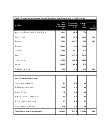
During the course of the past 13 months, in the absence of an Executive and Assembly in Northern Ireland, the UK Government has worked tirelessly to facilitate the restoration of devolved government. It had been my firm hope that a new Executive would be in place to set a budget. That will now not be possible in time for plans to be put in place for the forthcoming financial year.
Yet there are acute pressures across public services to be addressed in 2018/19. And clarity is required now to enable planning to proceed for the year ahead. It is now imperative, therefore, that the UK Government provides clarity and certainty around Northern Ireland finances for 2018/19.
I set out below the resource and capital allocations which I consider to be the most balanced and appropriate settlement for Northern Ireland departments. It would be open to a restored Executive, of course, to consider and revise the position I have set out.
In deciding on these allocations I have engaged intensively with the Northern Ireland Civil Service (NICS) to understand the needs of departments as they continue to work to deliver the draft Programme for Government. I have reflected too on the response to the budget briefing published by the NICS before Christmas, and discussed the budget situation with the main parties in Northern Ireland.
In the absence of local Ministers, and given the proximity of the next financial year, it would not be appropriate for the UK Government to seek to take fundamental decisions about service delivery and transformation at this time. Yet we must act to secure public services and enable NI departments to meet urgent pressures in health and education. That is what this budget settlement will do, by protecting and preserving public services within challenging fiscal constraints.
On the resource side, it delivers real-terms increases for health and education from their 2017/18 opening baseline. It also delivers cash terms increases for the Departments of Justice; Infrastructure; and Agriculture, Environment and Rural Affairs. Elsewhere departments would either be cash-flat or see small decreases, with notable reductions only for the two central departments (Finance and the Executive Office). For capital, it provides a strong basis for investment and enables key flagship projects to progress.
This settlement also delivers £410m in financial support arising from the financial annex to the Confidence and Supply Agreement between the Conservative Party and the Democratic Unionist Party.
This includes £80m in support for immediate health and education pressures; £30m
to support programmes to address issues of mental health and severe deprivation; £100m for ongoing work to transform the health service in line with the broad-based consensus fostered by the Bengoa report; and a £200m boost in capital spending for key infrastructure projects. Furthermore, in recognition of the lack of opportunity for more fundamental service reconfiguration over the last 12 months, this Budget position allows for £100m in flexibility to enable existing capital funding to be used to address public services resource pressures in 2018/19. This additional funding will be transferred in due course only with Parliament’s full authorisation, in line with the long-established Estimates process.
But, as the NICS budget briefing made clear, transformation is needed in a number of areas to make services sustainable in the long term. The urgent work to prepare for this must proceed. To that end, the Budget includes a £4m fund to prepare the ground for transformation, alongside the £100m set out for health transformation above. I also recognise that this budget only allocates resources for 2018/19 and the NI departments will need urgently to plan for future years. In that context, it is right that the NICS should continue to take forward preparatory work which could assist with balancing the budget in 2019/20. This will ensure that options are kept open for a restored Executive to consider as part of future budget processes.
As part of setting a budget, it is essential that the UK Government provides clarity on the regional rate. This budget position has been constructed on the basis of an increase in the domestic regional rate of 4.5%. I consider that this is a necessary and important step to continue to support public services, particularly in health and education. The non-domestic rates would rise only at 1.5%, in line with inflation. Conscious of the interest of many stakeholders in the scheme, I can also confirm that this budget settlement would provide the basis for the Small Business Rate Relief to continue.
This statement outlines overall allocations, based on my assessment of the options currently available to the NI departments. To the extent possible, the consequent prioritisation of resources within NI departments will need to be undertaken by Permanent Secretaries, as has been the case during the past year. The position will be monitored throughout the year and, where possible, resources reallocated to the highest priority areas in the normal way.
Permanent Secretaries cannot, of course, take the full range of decisions that would be available to Ministers. In that context, the UK Government shall continue to support the Northern Ireland administration, and to do whatever is necessary to meet our responsibilities to the people of Northern Ireland.

Link: Press release: Written Ministerial Statement: Northern Ireland Finances
Source: Gov Press Releases
This instrument contains provisions necessary to give full effect to the 2018 benefits and pensions up-rating exercise.
Link: The Social Security Benefits Up-rating Regulations 2018
Source: Legislation .gov.uk
Most tied pub tenants are aware of the Pubs Code that gives them new rights but have less knowledge about the detail of those rights – the first tied pub tenant survey has revealed.
The Pubs Code Adjudicator Paul Newby today published the findings of an independent survey commissioned to provide more information about the views and experiences of tied pub tenants.
Carried out by experienced research company, GfK, the 2017 survey shows that 72% knew about the Pubs Code but they had lower understanding of its key elements, ranging from 63% of tied pub tenants knowing about the right to a five-yearly rent review to 36% knowing about the right to request a Market Rent Only (or MRO) agreement.
Just over half (53%) of those surveyed were aware of the PCA – with a higher proportion aware of the PCA if they had submitted or considered a MRO option. Those who experienced an event that opened up the right to request a MRO but did not do so cited costs, a belief that few tenants had been successful, that the process was shut down by their pub-owning business, or a concern about making trouble or missing deadlines.
Asked about the pros and cons of being a tied pub tenant, participants said the best aspects were the ability to make choices about how their pub was run, and the backup and support from a big company. More challenging aspects included the costs of tied products and services, unexpected costs associated with starting up, the cost of dilapidations as well as the lack of room for negotiation and lack of clarity over rent calculations.
Another key finding was that more than half the tenants who had experienced a MRO event believed they did not have a genuine choice between a tied and free of tie option. Reasons for this included a lack of transparency around the rent calculation, unaffordability of the MRO proposal or a lack of encouragement from their company’s Business Development Manager.
Many tenants were critical of the general support they received from Business Development Managers although they recognised that the role of these company representatives is vital to successful tenant/landlord relationships and their ability to access their Pubs Code rights.
Paul Newby said: “This survey has provided a very detailed insight into the views and experiences of tied pub tenants. There has been a great deal of talk across the industry about what tenants think and want – but this is the first time that the tenants themselves have been asked for their views.
“The evidence collected will help me target my activity, take up issues of concern with the pub-owning businesses and allow me to track progress over time.
“It reveals a number of priority areas – specifically that more needs to be done across the industry to provide more user-friendly information and greater clarity on MRO issues, and to make progress in changing the culture around the behaviour and operation of Business Development Managers. I was concerned to see the evidence on how often Business Development Managers are changed and the low frequency of contact.
“The Deputy PCA, Fiona Dickie, and I have provided clarity on the terms of Market Rent Only tenancies following recent arbitration awards; advice on this issue was published last week. We are now working on a more detailed response to this survey which we plan to publish shortly. However, the survey provides much food for thought for the pub-owning businesses and I am calling on them to consider their responses to the challenges highlighted.”
Notes to Editors:
1.GfK is an independent research agency that works with government departments and agencies, regulatory bodies, the NHS, local authorities and charities to deliver qualitative and quantitative research to support and inform policy development and evaluation.
2.The tied pub tenant survey was conducted between November 2017 and January 2018. A representative sample of 388 tenants was originally interviewed by telephone and 27 took part in a follow-up depth interview.
3.The full survey results can be found here and the key results here
Link: Press release: Pubs Code Adjudicator Releases Results of First Tied Pub Tenant Survey
Source: Gov Press Releases
A South Devon waste processing company has been ordered to pay £16,404 in fines and costs for failing to remove thousands of tonnes of hazardous waste from two sites in Torbay.
The case was brought by the Environment Agency.
Armabridge Ltd, trading as Skip-It Torbay, operates from a waste transfer station at Barton Hill Way, Torquay. In June 2015 an Environment Agency officer discovered asbestos contamination in a pile of approximately 3,200 tonnes of residual waste at the site. In March 2016, following a lack of progress in dealing with the waste, the Environment Agency served an enforcement notice on the company to formalise the removal of the asbestos-affected material.
The company appealed against the enforcement notice, but the appeal was later dismissed by a planning inspector, who in January 2017 upheld the enforcement notice and gave the company 3 months to comply with its requirements.
In May 2017 an environment officer returned to the site and saw the pile of waste was still present. No significant progress had been made to remove it and as a result the company had breached its enforcement notice.
In January 2016, Armabridge Ltd was prosecuted for illegally depositing approximately 2,000 tonnes of asbestos contaminated waste at a second site, Kerswell Gardens, Torquay. In February 2017, following a lack of progress in clearing the waste, the Environment Agency served an enforcement notice requiring that the waste be removed.
In July 2017 an Environment Agency officer returned to the Kerswell Gardens site and found the hazardous waste was still present and that the enforcement notice had been breached.
Jacob Hess, for the Environment Agency, said:
This case emphasises the importance of robust waste acceptance procedures. Failure to segregate wastes appropriately can lead to complex and costly remediation at a later date.
We have recently run a campaign with local roofing businesses and waste operators to raise awareness of asbestos containing materials and how to correctly dispose of them.
Armabridge Ltd was fined a total of £13,334 and ordered to pay £3,070 costs by Plymouth magistrates after pleading guilty to 2 offences of failing to comply with enforcement notices relating to Barton Hill Way and Kerswell Gardens, Torquay contrary to Regulation 38(3) of the Environmental Permitting (England and Wales) Regulations 2010. The company has been given until 30 September 2018 to safely dispose of waste from both sites.
Link: Press release: Skip-It Torbay to pay thousands for skipping on asbestos removal
Source: Gov Press Releases